Up to 90% off today
Real vs. Fake: How to Spot Authentic Branded Clothes in Pakistan
Muhammad Bin Faisal
5/24/20265 min read
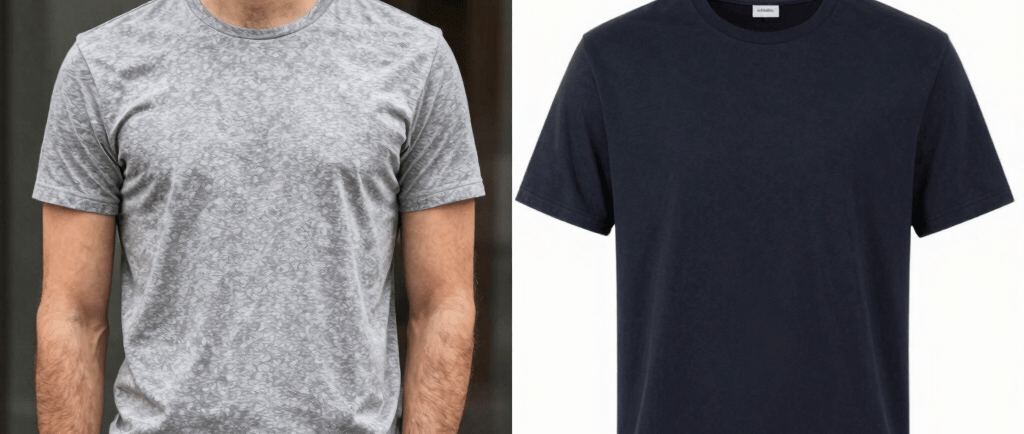
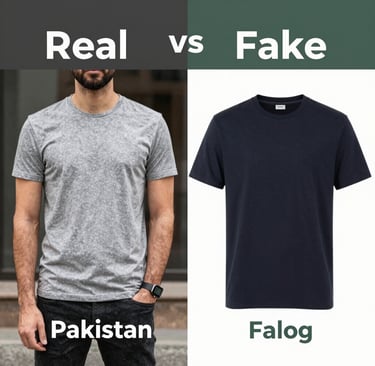
Shopping for premium international brands like Zara, Polo Ralph Lauren, Tommy Hilfiger, and Armani is an exciting experience. These brands represent status, exceptional tailoring, and timeless style. However, the online clothing market in Pakistan faces a massive challenge: the flood of "first copies," "AAA replicas," and counterfeit stock.
For the average Pakistani shopper, telling the difference between an original factory overstock item and a cheap local copy is incredibly difficult. Fake garments have become sophisticated, often copying tags and packaging flawlessly.
If you want to look premium without getting scammed, you must know what details to check. This comprehensive guide reveals the exact physical checkpoints, label secrets, and hardware indicators to verify 100% authentic branded clothes in Pakistan.
1. The Real Cost of "First Copies" in Pakistan
The Pakistani fashion market is flooded with terms like "Master Copy," "99% Original," and "Leftover Stock." Let’s be completely honest: a master copy is a counterfeit item.
While replicas look decent on a clothing hanger, they fail drastically after two washes. Fake items use cheap polyester blends that trap sweat, suffer from bleeding colors, and lose their shape instantly.
Genuine brands use premium combed cotton, high-grade linen, and long-staple wool. Buying original factory clearance or overstock items means you get luxury fabric that lasts for years, at a price that rivals local fast-fashion.
2. Logo Stitching and Embroidery Precision
The most definitive giveaway of a counterfeit garment is the brand logo. Premium fashion houses treat their logos like fine art. Replicas treat them as an afterthought.
Polo Ralph Lauren
The Real Deal: The iconic polo player logo is highly detailed. You can clearly see the rider’s leg, the definition of the mallet, and the horse’s tail. The embroidery is dense, tight, and completely flat against the fabric.
The Fake: The embroidery looks puffy or messy. The mallet is often bent, the horse looks malformed, and there are loose connective threads running between different parts of the logo.
Tommy Hilfiger
The Real Deal: The classic red, white, and blue flag logo consists of crisp, separate blocks of stitching. The white and red blocks are perfectly symmetrical.
The Fake: The colors bleed into each other due to sloppy sewing. The flag blocks are uneven, and the overall rectangle shape looks warped or skewed.
Giorgio Armani / Emporio Armani
The Real Deal: The Armani eagle logo features perfectly sharp horizontal bars. The spacing between the lines is identical down to the millimeter.
The Fake: The eagle looks rounded rather than sharp. The delicate horizontal lines blend together, creating a messy block of black or navy thread.
3. The Inside Secrets: Care Labels and Font Styles
Counterfeiters spend a lot of money copying the outside appearance of a shirt, but they almost always cut corners on the inside labels. Inspecting the inner neck tag and the side care labels is your fastest path to verification.
Neck Labels
Authentic brands stitch their neck labels perfectly flat. The edges are soft because they are designed not to irritate your skin. Fake tags are often cut from stiff, scratchy nylon and sewn on crookedly with loose threads hanging out.
Typography and Spelling
Look incredibly closely at the fonts. Replicas often use fonts that are slightly too thick, too thin, or unevenly spaced. Believe it or not, it is still common to find spelling mistakes like "Made in Itly" or misspelled brand names on low-to-mid tier copies sold online in Pakistan.
Multi-Page Care Booklets
Original garments from Zara or Tommy Hilfiger destined for international markets feature thick, satin-like care labels on the inner lower-left side seam. These labels usually have 3 to 5 pages detailing washing instructions in over ten languages. Fakes usually feature a single, cheap paper-like tag.
4. Hardware and Fasteners: The Weight of Luxury
If you are buying jackets, zip-up hoodies, or button-down shirts, pay close attention to the metal and plastic components. High-end brands do not use generic, unbranded hardware.
Zippers Always Tell the Truth
Look at the slider of the zipper. Premium brands almost exclusively use zippers from elite manufacturers like YKK, Riri, or custom-branded pulls. The zipper should slide effortlessly without catching. If the zipper feels incredibly light, rattles loudly, or jams on the first try, the garment is highly likely a replica.
Button Quality and Placement
Engraving: Brands like Polo Ralph Lauren and Armani engrave their names cleanly into their buttons. The text is crisp and deep. Fakes use laser-printed text that scratches off with a fingernail.
Cross-Stitching: Look at the threads holding the buttons. Real luxury brands use a secure cross-stitch pattern (forming an "X") with thick, durable thread. Replicas use a simple parallel stitch (forming parallel lines "||") that unravels easily.
Spare Buttons: Authentic button-down shirts always include one or two matching spare buttons sewn directly onto the inner care label.
5. Inner Stitching and Seam Construction
Turn the garment completely inside out. This is where fake clothes lose their disguise completely.
Original garments utilize clean, automated industrial overlock stitching. The seams inside a genuine Zara shirt look just as clean as the seams on the outside. There will be zero fraying edges, zero bunched-up fabric, and zero skipped loops.
Replicas are made in hurried, unregulated sweatshops. The inside seams will show uneven sewing lines, loose hanging threads, and jagged, raw fabric edges that have not been finished properly. If the stitching looks chaotic on the inside, leave it behind.
6. Sizing Discrepancies and International Cuts
International fashion brands design their garments for global body type standards, categorization charts, and strict size tolerances.
Zara follows sleek, structured European sizing guidelines.
Polo Ralph Lauren offers specific, roomier cuts (Classic Fit, Custom Slim Fit).
Counterfeits made locally or imported from budget regional hubs run notoriously small or lack proportion. If you buy a size "Large" shirt and it fits like a tight "Small," or if the sleeves are disproportionately short compared to the shoulders, it is a definitive sign of a bad replica. Real brands spend millions of dollars standardizing their fit patterns so that a Large always fits exactly like a Large.
7. The Myth of the "Bar code Scan"
Many online shoppers in Pakistan believe that if they scan a clothing hangtag barcode with their smartphone and it brings up a Google search result, the product is 100% original. This is a dangerous misconception.
Barcodes and QR codes are incredibly easy to duplicate. A counterfeiter simply takes one genuine tag, photographs the barcode, and prints it thousands of times onto fake cardstock tags.
Do not rely on a simple digital scan to prove authenticity. Rely instead on the physical weight of the fabric, the precision of the stitching, and the crispness of the interior labels.
8. Smart Shopping: How to Get Real Brands for Less
You do not have to pay massive retail prices to wear genuine international fashion brands. The secret lies in understanding how the global supply chain works.
Global brands manufacture clothes in huge volumes. At the end of a season, factories are left with excess inventory, order cancellations, or minor packaging overstocks. Independent outlet stores buy these authentic leftovers directly from clearing agents and bring them straight to the Pakistani market.
This process allows you to purchase a genuine, premium cotton polo shirt or a structured designer shirt for a fraction of its original mall price. You get the elite quality, the durable fabric, and the true status of the brand without breaking your budget.
Conclusion: Trust Your Senses
When buying premium fashion online in Pakistan, remember these top four indicators:
Feel the weight: Original luxury cotton feels heavy, dense, and remarkably soft.
Inspect the details: Look for clean logo embroidery with absolutely no loose connecting threads.
Check the inside: Demand multi-page inner care labels with clear, crisp fonts.
Buy from transparent sellers: Choose stores that proudly show close-up photos of the actual product details rather than relying entirely on generic stock model images.
By paying attention to these core elements, you can easily filter out the replicas and build a high-end, genuine wardrobe that keeps you looking sharp, professional, and sophisticated on a budget.
B4L
Explore our sleek website template for seamless navigation.
Contact
Newsletter
03394223396
© 2026. All rights reserved.